
Fire Retardant Spray for Fabric: Complete NFPA 701 Compliance Guide
Fire safety in public spaces depends on more than sprinkler systems and exit signs. The fabrics throughout your building, from theater curtains to hotel drapes to school decorations, can either fuel a fire or help contain it. According to NFPA fire statistics, fires starting with upholstered furniture and soft furnishings account for 18% of home fire deaths despite representing only 2% of reported fires. Fire retardant spray for fabric transforms ordinary textiles into code-compliant materials that resist ignition and slow flame spread, giving occupants critical evacuation time.
Whether you manage a theater, operate a hotel, maintain a school, or work as a contractor handling fabric installations in public spaces, understanding how to properly treat fabrics with fire retardant spray is essential for passing fire marshal inspections and protecting building occupants. This guide covers everything you need to know about NFPA 701 compliance, California Title 19 requirements, proper application techniques, and selecting the right fire retardant treatment for your specific materials.
What Is Fire Retardant Spray for Fabric?
Fire retardant spray for fabric, also known as fire inhibitors, is a water-based chemical treatment applied to textiles that significantly reduces their flammability. Unlike inherently flame-resistant fabrics manufactured with fire-resistant fibers, topical fire retardant treatments can be applied to existing fabrics, curtains, drapes, upholstery, and other textile materials to achieve code compliance.
How Fire Retardant Treatments Work
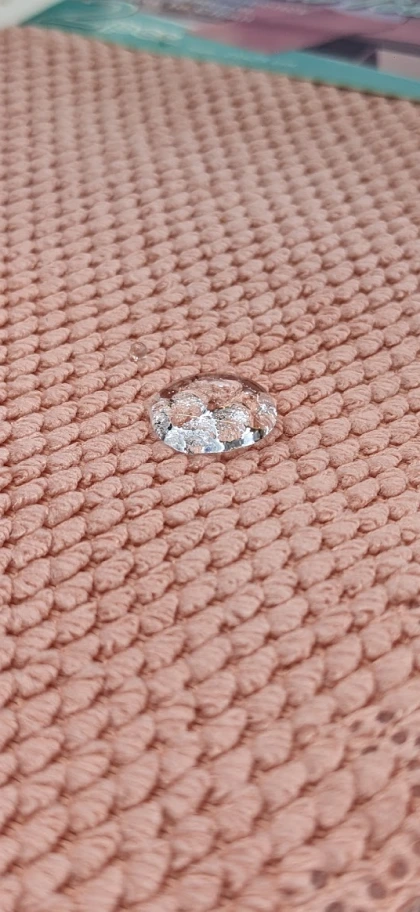
When fire retardant spray is applied to fabric, the chemical compounds penetrate the textile fibers and create a protective barrier. Upon exposure to flame or high heat, these compounds react in several ways:
- • Char formation: The treatment promotes carbonization of the fabric surface, creating a protective char layer that insulates underlying material
- • Gas dilution: Some compounds release non-flammable gases that dilute oxygen around the fabric, reducing combustion
- • Heat absorption: The chemical reaction absorbs heat energy, slowing the ignition process
- • Flame spread reduction: Treated fabrics resist the propagation of flame across their surface
The result is fabric that does not readily ignite, limits flame spread when fire is present, and self-extinguishes when the ignition source is removed.
Topical Treatment vs. Inherently Flame-Resistant Fabrics
Understanding the difference between these two approaches helps you make the right choice for your application:
Topical Fire Retardant Treatment:
- • Applied to existing fabrics after manufacturing
- • Cost-effective solution for treating fabrics already in place
- • Requires periodic reapplication (typically annually)
- • Treatment can wash out with laundering
- • Works on natural fibers (cotton, linen, silk), synthetics (polyester, nylon), and blends
Inherently Flame-Resistant Fabrics:
- • Fire resistance built into the fiber during manufacturing
- • Higher upfront cost but permanent protection
- • Does not wash out or require retreatment
- • Limited aesthetic and texture options
- • Must replace existing fabrics entirely
For most commercial applications where fabrics are already installed or where budget constraints exist, topical fire retardant spray offers a practical compliance solution.
Why Fabric Fire Protection Matters
The statistics surrounding fabric fires in buildings paint a compelling picture of why fire retardant treatment is not optional in public spaces.
Fire Statistics That Demand Attention
The National Fire Protection Association reports sobering data on fires involving soft furnishings:
- • Upholstered furniture is the item first ignited in 2% of home fires but accounts for 18% of fire deaths
- • Fires beginning with upholstered furniture caused an average of 440 civilian deaths annually (2010-2014)
- • Untreated furniture fires reach flashover in less than 7 minutes
- • Furniture treated with fire retardants extends time to flashover beyond 20 minutes
That 13-minute difference between treated and untreated fabrics can mean the difference between successful evacuation and tragedy. In commercial buildings with higher occupant loads, the stakes are even greater.
Legal Requirements for Public Spaces
Fire codes require flame-resistant fabrics in numerous building types. Failure to comply exposes building owners to:
- • Failed fire marshal inspections resulting in closure orders
- • Insurance coverage issues if a fire occurs
- • Liability exposure for injuries or deaths
- • Code violation penalties from local authorities
Buildings and spaces typically requiring NFPA 701 compliant fabrics include:
- • Theaters and performance venues
- • Schools and universities
- • Hospitals and healthcare facilities
- • Hotels and hospitality venues
- • Convention centers and exhibition halls
- • Restaurants and nightclubs
- • Churches and religious facilities
- • Nursing homes and assisted living
- • Daycare centers
- • Office buildings with fabric installations
- • Retail stores with fabric displays
The Economics of Treatment vs. Replacement
Treating existing fabrics with fire retardant spray is significantly more economical than replacing them with inherently flame-resistant materials:
| Approach | Typical Cost | Considerations |
|---|---|---|
| Fire retardant spray treatment | $0.05-0.15 per sq ft | Requires annual retreatment |
| Inherently FR replacement fabric | $15-50+ per sq ft | Permanent but high upfront cost |
| Non-compliance fines | $500-5,000+ per violation | Plus potential closure |
For a theater with 2,000 square feet of stage curtains, treatment costs approximately $100-300 per year versus $30,000-100,000 or more for replacement with inherently flame-resistant curtains.
Understanding NFPA 701 Compliance
NFPA 701 is the benchmark standard for fire testing fabrics used in public spaces. Understanding this standard is essential for specifying and verifying compliant fire retardant treatments.
What Is NFPA 701?
NFPA 701: Standard Methods of Fire Tests for Flame Propagation of Textiles and Films establishes test procedures for measuring the flame propagation characteristics of textiles and films. The standard applies to:
- • Draperies and curtains
- • Window treatments
- • Bed canopies
- • Fabric partitions
- • Decorative banners and flags
- • Tent fabrics
- • Awning materials
NFPA 701 Test Methodology
The NFPA 701 small-scale test exposes fabric samples to a controlled flame for 12 seconds, then measures the fabric's response. The test uses ten samples: five cut from the warp direction and five from the fill direction.
Test Conditions:
- • Flame applied for 12 seconds
- • Vertical orientation
- • Multiple samples tested for statistical validity
Pass/Fail Criteria
For a fabric to pass NFPA 701 testing, all samples must meet these requirements:
| Measurement | Requirement |
|---|---|
| After flame | Less than 2.0 seconds |
| Char length | Less than 6.5 inches |
| Flaming drips | Specimen must not continue to flame after reaching test chamber floor |
These criteria ensure treated fabrics self-extinguish quickly and do not propagate flame beyond the immediate ignition area.
Who Requires NFPA 701 Compliance?
While NFPA 701 is a testing standard rather than a law, numerous building codes and local ordinances reference it as the compliance benchmark:
- • International Building Code (IBC) references NFPA 701 for interior finish requirements
- • NFPA 101 Life Safety Code requires flame-resistant decorations in assembly occupancies
- • State fire codes in most states adopt NFPA 701 requirements
- • Local fire marshals enforce compliance during inspections
Fire marshals typically require documentation proving fabrics meet NFPA 701, including certificates of compliance from the treatment company or fabric manufacturer.
California Title 19: Stricter State Requirements
California maintains some of the strictest fabric flame resistance requirements in the nation through Title 19 of the California Code of Regulations. If you operate in California or sell to California customers, understanding these additional requirements is critical.
How Title 19 Differs from NFPA 701
The California Office of State Fire Marshal (OSFM) administers the Title 19 program, which includes:
Additional Testing Requirements:
- • Fabrics must be tested at an approved independent laboratory
- • A second round of testing at the official OSFM laboratory in California
- • Both tests must be passed for registration
Registration System:
- • Approved flame-retardant chemicals receive registration numbers
- • Applicator companies must be registered
- • Treated fabrics receive Certificates of Flame Resistance
Large-Scale Test Criteria (More Stringent):
| Measurement | California Title 19 Requirement |
|---|---|
| After flame | Less than 2 seconds |
| Char length | Less than 10 inches |
| Water extraction test | Must pass after soaking |
| Weathering test | Must pass after 100 hours accelerated weathering (outdoor fabrics) |
Documentation and Labeling
California requires specific documentation that goes beyond NFPA 701:
- • Seal of Registration must appear on treated fabrics
- • Certificates of Flame Resistance provided within 10 days of shipment
- • Certificates sent to: buyer, State Fire Marshal, and local fire authority
- • Registration number of approved application chemical displayed
Why California Compliance Matters Nationwide
California's stricter standards often serve as a benchmark for other states and high-profile projects. Many national companies specify California Title 19 compliance as their baseline standard, even for projects outside California. FlameOFF FR Clear meets California Title 19, Section 1237.1 flame resistance requirements, providing confidence for projects with the strictest compliance needs.
Which Fabrics Need Fire Retardant Treatment?
Different fabric types respond differently to fire retardant treatments. Understanding these differences helps you select the right product and application method.
Natural Fibers
Cotton:
- • Highly absorbent, takes fire retardant treatment well
- • Requires thorough saturation for effective treatment
- • One of the most common fabrics treated
- • Coverage: 200-300 sq ft/gallon
Linen:
- • Similar to cotton in treatment requirements
- • Natural bast fiber absorbs treatment effectively
- • May require slightly heavier application
- • Coverage: 200-300 sq ft/gallon
Silk:
- • Delicate fiber requiring careful treatment
- • Test color-fastness before full application
- • Light application to avoid water spotting
- • Coverage: 300-400 sq ft/gallon
Wool:
- • Naturally more fire-resistant than plant fibers
- • Treatment enhances existing properties
- • Some wool treatments affect texture
- • Coverage: 250-350 sq ft/gallon
Synthetic Fibers
Polyester:
- • Lower absorbency than natural fibers
- • May require heavier application or multiple coats
- • Treatment sits more on surface than penetrating
- • Coverage: 250-350 sq ft/gallon
Nylon:
- • Similar to polyester in treatment response
- • Good durability retention after treatment
- • Surface treatment approach
- • Coverage: 250-350 sq ft/gallon
Acrylic:
- • Accepts treatment reasonably well
- • Test for any texture changes
- • Coverage: 250-350 sq ft/gallon
Blended Fabrics
Most commercial fabrics are blends combining natural and synthetic fibers. Treatment approaches should account for the dominant fiber:
- • Cotton/polyester blends: Treat as cotton with slightly reduced coverage rate
- • Wool/synthetic blends: Treat as synthetic with attention to texture
- • Multi-fiber blends: Use most conservative coverage rate
Coverage Rate Guidelines by Fabric Type
| Fabric Category | Weight | Coverage Rate |
|---|---|---|
| Lightweight sheers | Under 4 oz/sq yd | 350-400 sq ft/gal |
| Medium weight drapery | 4-8 oz/sq yd | 250-300 sq ft/gal |
| Heavy upholstery | 8-12 oz/sq yd | 150-200 sq ft/gal |
| Very heavy textiles | Over 12 oz/sq yd | 100-150 sq ft/gal |
These are general guidelines. Always refer to the specific fire retardant product's Technical Data Sheet for exact coverage rates and refer to the FlameOFF FR Clear application guide for detailed instructions.
How to Apply Fire Retardant Spray to Fabric
Applying fire retardant spray to fabric requires these seven essential steps:
- • Clean the fabric thoroughly
- • Test for color-fastness in an inconspicuous area
- • Prepare the work area with proper ventilation
- • Start application at the top of the fabric
- • Apply light, even mist coating
- • Allow complete drying between coats
- • Verify treatment with weight increase check
Proper application technique directly impacts the effectiveness and longevity of fire retardant treatment. Follow these steps for professional results.
Preparation Steps
1. Clean the Fabric
- • Remove all dust, dirt, and debris
- • Vacuum upholstered items thoroughly
- • Launder washable items and allow to dry completely
- • Existing soiling can prevent proper treatment penetration
2. Test for Color-Fastness
- • Apply treatment to an inconspicuous area
- • Allow to dry completely
- • Check for any color change, bleeding, or spotting
- • Proceed only if test area shows no adverse effects
3. Prepare the Work Area
- • Protect surrounding surfaces from overspray
- • Ensure adequate ventilation
- • Temperature should be 50-85 degrees F (10-30 degrees C)
- • Humidity below 70% for optimal drying
4. Gather Equipment
- • Fire retardant spray (do not dilute)
- • Application equipment (sprayer, brush, or immersion tank)
- • Protective equipment (gloves, eye protection)
- • Drop cloths or plastic sheeting
Application Equipment Options
Spray Bottle (Small Projects)
- • Best for: Touch-ups, small decorations, spot treatments
- • Coverage: Inconsistent, labor-intensive for large areas
- • Technique: Mist evenly, avoid heavy saturation
Pump-Up Garden Sprayer (Medium Projects)
- • Best for: Individual curtain panels, furniture pieces, moderate areas
- • Coverage: More consistent than spray bottle
- • Technique: Adjust nozzle for fine mist, maintain consistent distance
Airless Sprayer (Large/Commercial Projects)
- • Best for: Theater curtains, large installations, production work
- • Recommended tip: 515 airless tip
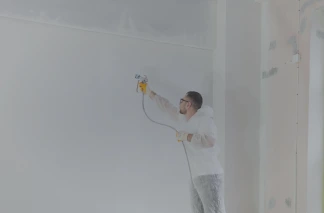
- • Technique: Use extension wand for tall applications, overlap passes
- • Pressure: Adjust for fine atomization without excessive force
Immersion/Dip Method (Removable Items)
- • Best for: Smaller removable items, thorough saturation
- • Technique: Submerge completely, remove, allow excess to drain
- • Advantages: Most thorough coverage, consistent results
Step-by-Step Application Process
Step 1: Start at the Top Begin application in the upper left corner of the fabric. This prevents drips from affecting already-treated areas.
Step 2: Apply Even Mist Coating
- • Hold sprayer 12-18 inches from fabric surface
- • Apply light, even mist across the surface
- • Do not saturate or drench the fabric
- • The fabric should appear slightly damp, not wet
Step 3: Work Systematically
- • Move across the fabric from left to right
- • Continue working downward in overlapping rows
- • Overlap each pass by approximately 50%
- • Maintain consistent coverage throughout
Step 4: Treat Both Sides (If Needed)
- • Thick or dense fabrics require treatment on both sides
- • Heavy upholstery fabrics often need reverse-side treatment
- • Synthetic fabrics may need heavier application
Step 5: Allow to Dry
- • Let fabric dry completely before second application
- • Typical dry time: 2-4 hours depending on conditions
- • Do not rush drying with heat sources
Step 6: Apply Second Coat
- • Most fabrics require two applications for proper protection
- • Follow same technique for second coat
- • Ensure complete coverage
Step 7: Verify Treatment
- • Treated fabric should show 5-10% increase in dry weight
- • Fabric should feel slightly different but not stiff
- • Consider field testing with match test (where permitted)
Pro Tips for Professional Results
- • Leave curtains hanging: Treating curtains while on the rod is often easier than removing them
- • Use extension wands: For theater curtains and high installations, 3-foot extension wands improve ergonomics
- • Multiple light coats beat one heavy coat: Better penetration and appearance
- • Work in good lighting: Ensures you can see coverage uniformity
- • Document your work: Photograph treated areas and record batch numbers for compliance records
Commercial Applications by Industry
Different industries have specific fabric fire protection needs. Here is how fire retardant spray addresses each sector.
Theaters and Performance Venues
Typical Applications:
- • Main stage curtains and drapes
- • Cycloramas and backdrops
- • Masking and leg curtains
- • Seat upholstery
- • Acoustic panels
Special Considerations:
- • Large vertical surfaces require airless sprayers with extension wands
- • Velour and velvet require careful application to avoid crushing pile
- • Blackout linings need treatment on both sides
- • Annual retreatment typically required before seasonal openings
Schools and Educational Facilities
Typical Applications:
- • Auditorium curtains
- • Classroom decorations
- • Bulletin board fabrics
- • Gymnasium dividers
- • Library soft seating
Special Considerations:
- • Non-toxic formulations essential for student safety
- • Coordinate treatment with school breaks
- • Maintain compliance certificates for inspection files
- • Include fabric inventory in fire safety plans
Healthcare Facilities
Typical Applications:
- • Privacy curtains
- • Waiting room upholstery
- • Window treatments
- • Patient room decorations
Special Considerations:
- • Strict infection control requirements
- • Treatment must not interfere with cleaning protocols
- • GREENGUARD or similar indoor air quality certification preferred
- • Coordinate with facility management for access
Hospitality Industry
Typical Applications:
- • Guest room drapes and sheers
- • Lobby upholstery
- • Restaurant booth fabrics
- • Banquet linens
- • Conference room window treatments
Special Considerations:
- • High turnover requires efficient treatment methods
- • Color and texture preservation critical for guest experience
- • Coordinate with renovation schedules
- • Consider fabric replacement schedules in retreatment planning
Convention Centers and Event Spaces
Typical Applications:
- • Pipe and drape systems
- • Trade show booth fabrics
- • Temporary decorations
- • Tent and canopy fabrics
Special Considerations:
- • Frequently changing installations
- • Rental fabrics may arrive untreated
- • Documentation requirements for multiple venues
- • Quick turnaround treatment capabilities needed
Need fire retardant spray for your facility? Request a quote or call (888) 901-5413 for coverage calculations and technical support.
Maintenance and Reapplication
Fire retardant treatments are not permanent. Understanding maintenance requirements ensures ongoing compliance.
How Long Does Treatment Last?
Fire retardant treatment duration depends on several factors:
Standard Duration:
- • Most topical treatments: 1 year certification period
- • Indoor, undisturbed fabrics: May last longer in practice
- • Outdoor or weathered fabrics: May require more frequent treatment
Factors Reducing Longevity:
- • Washing or laundering (removes treatment)
- • Dry cleaning (typically effective for 3-4 cleanings, some products up to 15)
- • High humidity environments
- • Direct sunlight exposure
- • Physical abrasion and wear
- • Dust accumulation requiring cleaning
Reapplication Schedule
| Application Type | Recommended Reapplication |
|---|---|
| Public assembly (theaters, schools) | Annually |
| Hospitality (hotels, restaurants) | Annually |
| Healthcare facilities | Annually or per facility protocol |
| High-traffic retail | Annually |
| Low-traffic office | Every 1-2 years (verify with testing) |
| After any washing/cleaning | Immediately |
Passing Fire Marshal Inspections
Fire marshals verify fabric compliance through several methods:
Documentation Review:
- • Certificates of Flame Resistance
- • Treatment records with dates and products used
- • Fabric inventory lists
- • Applicator certifications (where required)
Visual Inspection:
- • Proper labeling on treated fabrics
- • Seal of Registration (California)
- • Condition of fabrics
Field Testing (Sometimes):
- • Small flame test on fabric sample
- • Char measurement
- • Self-extinguishing verification
Best Practices for Inspection Readiness:
- • Maintain organized compliance files
- • Keep treatment records with product batch numbers
- • Label treated fabrics with treatment date
- • Schedule retreatment before certification expiration
- • Have Technical Data Sheets available for inspector review
FlameOFF FR Clear: Professional-Grade Fabric Protection
FlameOFF FR Clear is a professional-grade fire retardant spray designed for demanding commercial applications where compliance and performance matter.
Product Specifications
| Property | Specification |
|---|---|
| Base | Water-based |
| Finish | Clear (maintains original appearance) |
| Odor | Odorless |
| Toxicity | Non-toxic |
| Coverage | 300-600 sq ft/gal (varies by material) |
| Application Methods | Spray, dip, pad |
Certifications
FlameOFF FR Clear meets the standards that fire marshals and inspectors require:
- • ASTM E84/UL 723: Class "A" flame spread and smoke development on wood
- • NFPA 701: Flame propagation of textiles
- • NFPA 705: Field flame test for textiles
- • California Title 19, Section 1237.1: Flame resistance (CCR)
- • UFAC 1990: Fabric classification
- • NFPA 260: Cigarette ignition resistance
- • CAN/ULC-S109: Canadian large and small flame test
Visit the FlameOFF testing and certifications page for complete certification documentation.
Why Choose FlameOFF FR Clear
Clear, Invisible Protection Maintains the original appearance, color, and texture of treated materials. No visible residue or finish change.
Safe, Eco-Friendly Formula Water-based and non-toxic. Free of bromides, halogens, and banned substances. Safe for use around building occupants.
Soft Hand on Textiles Does not stiffen fabrics or alter the drape and feel of treated materials. Critical for decorative applications where aesthetics matter.
Versatile Application Works on natural fibers, synthetics, blends, leather, and porous materials. One product for multiple fabric types.
Complete Compliance Documentation Full technical documentation available for inspector verification. Professional-grade certification for commercial projects.
Frequently Asked Questions
Have more questions? Visit our fire protection FAQ for additional answers.
Is fire retardant spray safe for fabric?
Yes. Professional fire retardant sprays like FlameOFF FR Clear are non-toxic, water-based, and safe for use on fabrics in occupied spaces. They do not contain bromides, halogens, or other banned substances. Always verify product certifications for indoor air quality compliance.
Can you wash fabric after applying fire retardant?
Washing removes topical fire retardant treatment. Water-based fire retardants are water-soluble by design. After washing or laundering, fabric must be retreated to maintain compliance. Dry cleaning is less damaging but still reduces treatment effectiveness over time.
How much fire retardant spray do I need?
Coverage rates vary by fabric weight and type. General guidelines: lightweight fabrics 350-400 sq ft/gallon, medium weight 250-300 sq ft/gallon, heavy fabrics 150-200 sq ft/gallon. Always measure your fabric area and consult the product Technical Data Sheet.
Does fire retardant spray change fabric appearance?
Quality fire retardant sprays like FR Clear dry clear and should not change fabric appearance when properly applied. Always test on an inconspicuous area first. Over-application can cause stiffening or visible residue.
How often does fire retardant treatment need to be reapplied?
Most topical treatments require annual reapplication for maintained certification. Fabrics that are cleaned, washed, or exposed to weather may need more frequent treatment. Check certification requirements for your specific application.
What is the difference between NFPA 701 and California Title 19?
NFPA 701 is a national testing standard with specific pass/fail criteria. California Title 19 includes NFPA 701 requirements plus additional testing at the state lab, a registration system, and documentation requirements. Title 19 is generally considered more stringent.
Conclusion
Fire retardant spray for fabric is an essential tool for achieving code compliance in public spaces while protecting building occupants from fire hazards. The key points to remember:
- • NFPA 701 compliance is required for fabrics in most public assembly spaces, including theaters, schools, healthcare facilities, and hospitality venues
- • Proper application technique directly impacts treatment effectiveness. Use light, even coats and allow proper drying between applications
- • California Title 19 imposes additional requirements including registration and documentation that go beyond NFPA 701
- • Annual retreatment is typically required to maintain compliance certification
- • Documentation matters for fire marshal inspections. Maintain organized records of all treatments
For professional-grade fabric fire protection that meets the strictest compliance standards, FlameOFF FR Clear delivers clear, non-toxic protection certified to NFPA 701 and California Title 19 requirements.
Ready to protect your fabrics? Contact FlameOFF for product specifications, coverage calculations, or to request a quote for your project. Our technical team is available at (888) 901-5413 to answer your fire protection questions.